
Treatments
Dental Implants
Replace missing teeth with permanent, natural-looking implants.
About
What it is
A dental implant is a small titanium post that replaces the root of a missing tooth. We then attach a custom-made crown, bridge or denture on top.
The result feels, looks and works like a natural tooth — so you can eat, speak and smile with confidence.
Our team includes dentists with a special interest in implantology and an MSc in Aesthetic Dentistry and Implantology.
Signs
When you might need it
- A missing tooth or teeth
- A loose or uncomfortable denture
- A failing bridge
- Difficulty eating with current restorations
Process
How treatment works
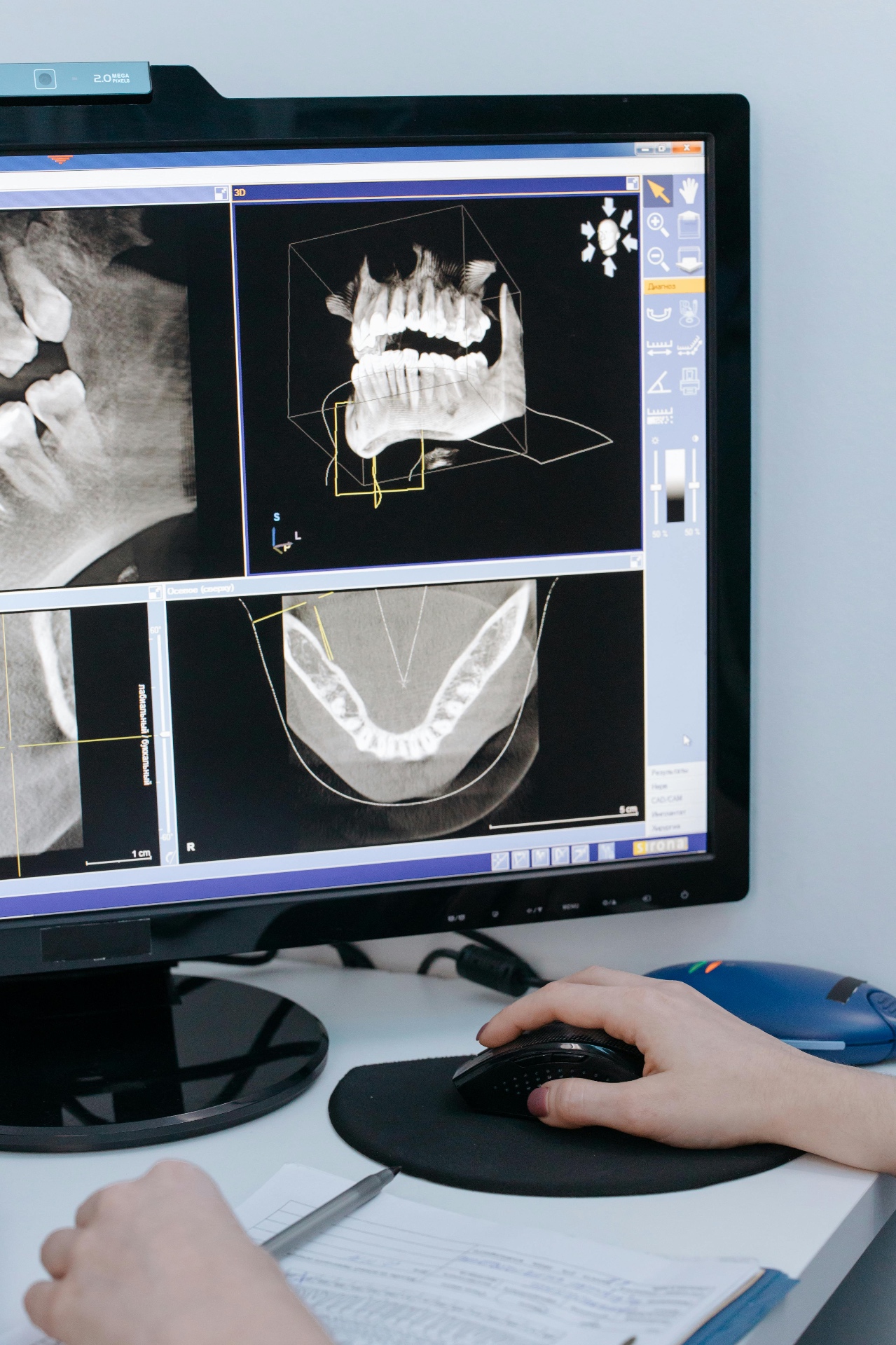
- 1Detailed consultation including 3D scan
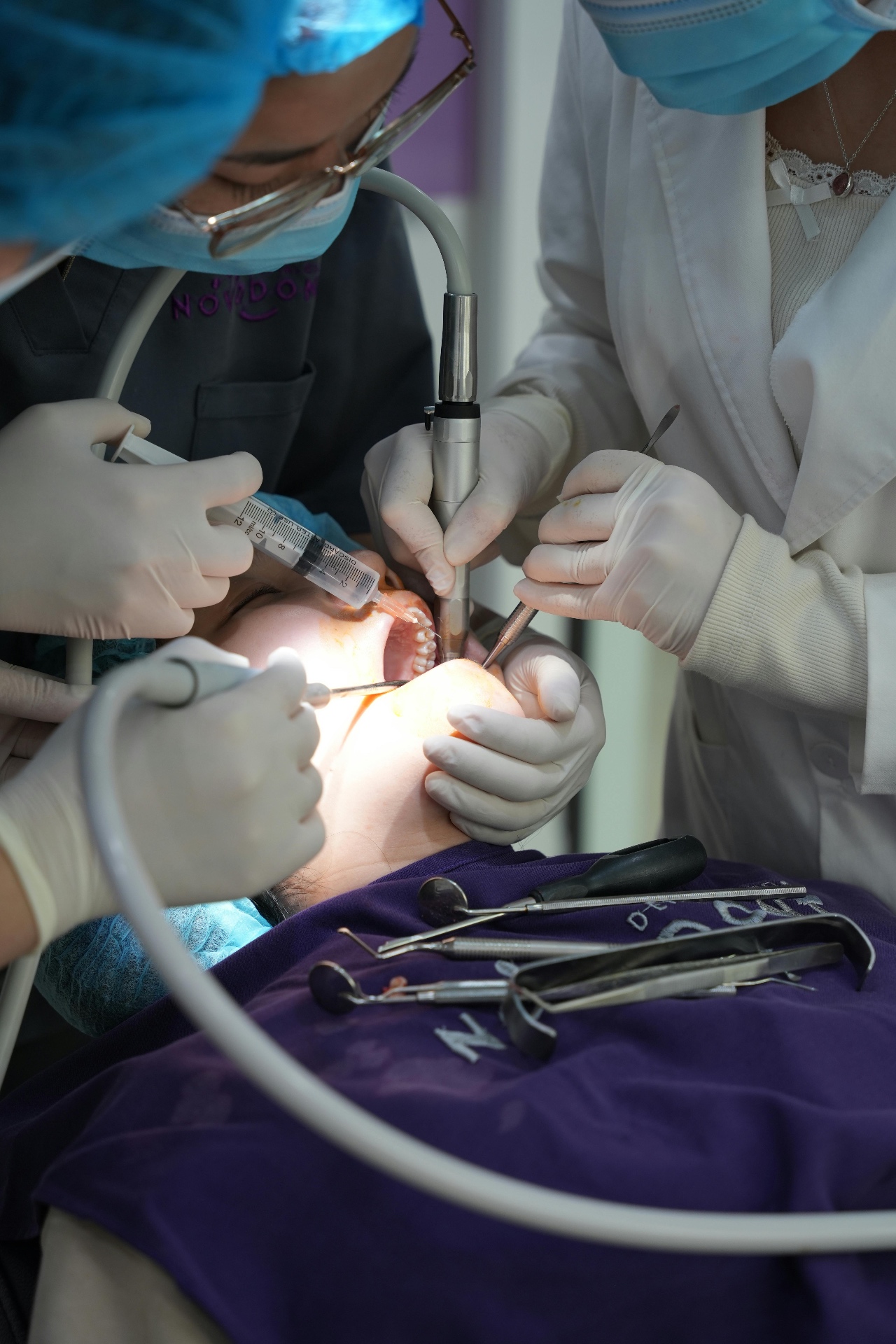
- 2Implant placement under local anaesthetic
- 3Healing period (usually a few months)
- 4Custom restoration fitted on top
- 5Aftercare and reviews
Watch
See this treatment explained
Watch time: 2–3 minutes
Benefits
Why our patients choose this treatment
Feels like your own tooth
Once healed, you'll forget it's there.
Protects your jaw
Implants stimulate the bone, helping prevent shrinkage.
Long-lasting
With good care, implants can last for decades.
No impact on neighbours
Unlike a bridge, healthy adjacent teeth aren't filed down.
Your patient guide
Your Guide to Dental Implants
A dental implant is the closest artificial replacement to a natural tooth — a titanium post integrates with your jawbone and supports a custom crown, bridge or denture.
Why implants are needed
Once teeth are lost, the bone that once supported them gradually shrinks, and the remaining teeth begin to drift. This can change your bite, your facial shape, and even cause jaw discomfort.
Dentures and bridges restore appearance and function, but both have limitations. Implants are inserted directly into the jawbone and act like a natural tooth root — preserving bone, protecting neighbouring teeth and feeling truly your own.
How implants are placed
Immediate placement
At the same time as tooth removal
Benefits
- Reduces overall treatment time
- Helps preserve the jawbone
- Fewer surgical visits
Things to consider
- •Depends on bone quality at the time
- •Not suitable if active infection is present
Delayed placement
Once the area has healed
Benefits
- Used where bone needs time to recover
- Allows planning around grafting if required
- Predictable, well-established approach
Things to consider
- •Longer overall timeline
- •May require additional procedures such as grafting
Your implant journey
- 1
Consultation & assessment
Full examination, 3D scans and a personalised treatment plan to minimise risk and maximise success.
- 2
Implant placement
Performed under local anaesthetic — the bone is far less sensitive than the tooth, so the procedure is virtually pain-free.
- 3
Healing & integration
Over roughly three months the bone fuses to the implant. A temporary tooth keeps you smiling throughout.
- 4
Final restoration
Your bespoke crown, bridge or denture is precisely crafted by skilled technicians and fitted.
- 5
Aftercare & reviews
Regular maintenance visits keep your implants — and the gum around them — healthy long term.
Three things to know before committing
Implants need the same care as natural teeth — daily cleaning and regular maintenance. Smoking and a history of gum disease significantly increase risk. Implants are mechanical devices and may require occasional adjustment over the years.
Aftercare essentials
- Brush and clean around implants twice daily
- Attend recall appointments as recommended
- Tell us straight away if anything feels loose
- Avoid smoking — it significantly raises failure risk
- Wear a night guard if you grind your teeth
- Keep your natural teeth and gums healthy
Success rates
The success rate for dental implants is around 95%. In the rare event the bone fails to integrate, it is usually possible to repeat the process with a replacement implant after a short healing period.
What to expect
Most patients are back to normal within a few days. We'll give you full aftercare advice to support healing.
Pricing
From £2,500. Full pricing on request — every patient receives a personalised treatment plan after a comprehensive consultation.
Call 01778 422785 or view our Fee GuideQuestions
Frequently asked
Implant placement is done under local anaesthetic and is well tolerated. Most patients say it's more comfortable than they expected.
Ready to discuss dental implants?
Book a consultation and we'll walk you through everything — no pressure, no obligation.